
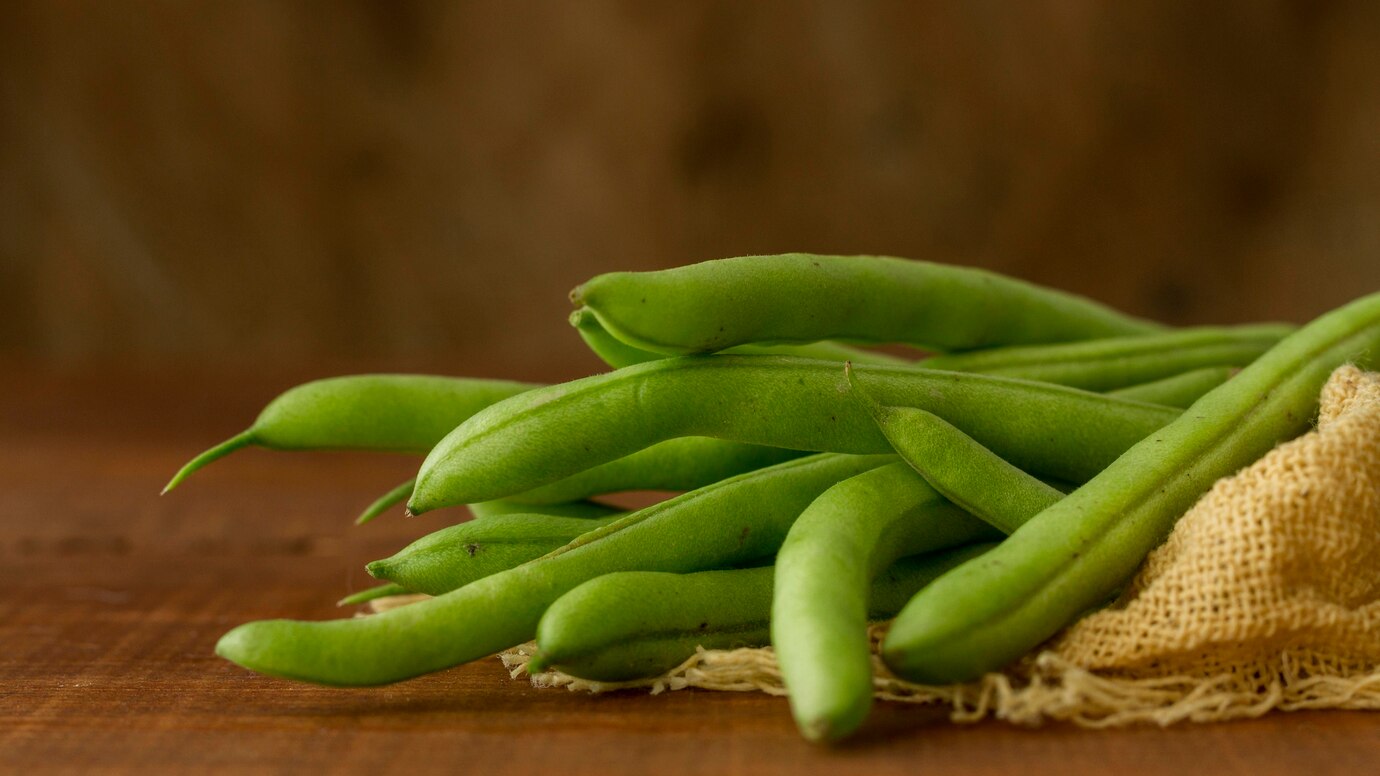
Green beans are a versatile vegetable that can be grown in many different climates. Green beans are members of the common bean, Phaseolus vulgaris, and are a popular part of diets around the world. There are slight variations in the bean – they can be different shapes, colors and by different names, including French beans, fine beans, string beans, or even squeaky beans, depending on the region of the world.
Although popularized in many American and European dishes, they are widely cultivated across Asia and Africa as well. They appear in a wide array of cultural dishes and offer health benefits to people all around the world.
Green beans may seem like a typical staple at nightly dinners. They appear to reduce the risk of heart diseases and colon cancer, help control diabetes, provide a boost to the immune system, and contributes to the elimination of harmful free radicals. These nutrient-packed beans are an excellent low-calorie dietary choice that is great for acquiring vitamins and minerals without adding any unwanted pounds.
BENEFITS:
● Keeps Bones Strong. – Green beans are a source of vitamin K. Extensive research on the effects of vitamin K on the body suggests that this vitamin is important for keeping the bones intact. Calcium, found in green beans, is also integral in preventing bone deterioration and osteoporosis. However, green
beans are a great source of silicon, which is a key element in bone regeneration and overall bone health. Silicon is a less common mineral to hear about, and significant amounts are relatively rare in most foods.
● Controls Diabetes. – A study on plant foods at the Central Food Technological Research Institute, India claims that green beans are one of the vegetables known to have a definitive hypoglycemic influence on patients with diabetes. Diabetes is a condition that requires constant maintenance of blood sugar levels
at a normal level so the body can perform necessary tasks. Natural regulators of diabetes are rare, so the connection of green beans and similar plants to the control or early prevention of diabetes is great news for many to manage and prevent the disease.
● Treat Gastrointestinal Issues. – Green beans belong to the category of low FODMAP (fermentable oligosaccharides, disaccharides, monosaccharides, and polyols) foods. Some experts recommend low FODMAP diets to those with irritable bowel syndrome (IBS) and other digestive disorders with symptoms such as bloating, cramps and intestinal distress. As mentioned, they are packed with fiber, which is a highly beneficial compound in our bodies. By keeping enough fiber in our diets, we are able to ease certain digestive issues like constipation, hemorrhoids, ulcers, and acid reflux disease. These conditions range from mild irritants to potentially life-threatening, and the amount of fiber we consume is a key element in their prevention. In a normal serving of green beans, which is 110 grams, you can gain 15 percent of the daily recommended amount of fiber. They are one of the best vegetables to keep your stomach working properly.
● Good for the eyes – Certain specific carotenoids that are found in green beans can prevent macular degeneration, which is a decrease in vision and eye function. Lutein and zeaxanthin are focused at the macula in the eye, and play a key role in preventing any stress to the inner workings of the eye. Ensuring that these carotenoid levels stay strong to prevent vision deterioration is one of the many benefits of including green beans as part of your balanced diet.
● Boosts immunity. – The presence of various immune system-boosting antioxidants in green beans is well known. However, as more research on their benefits is conducted, even more, antioxidant properties have come to light. Antioxidants are beneficial compounds in our body that seek out dangerous free
radicals, with the goal of eliminating them from our system before they can cause illness or tissue damage. Green beans are a good source of carotenoids and flavonoids, with carotenoids found in green beans contain antioxidants like beta carotene and lutein. Flavonoids contain basic antioxidants like quercetin and kaempferol, but also more useful and beneficial ones like catechin and
epicatechin. Catechin has been associated with reducing the severity of strokes.
● Reduces Heart Diseases. – Green beans may help reduce the risk of heart diseases due to their high levels of flavonoids. Flavonoids are polyphenolic antioxidants commonly found in fruits and vegetables. They have high levels of flavonoids that contain certain anti-inflammatory properties. Test subjects with
high flavonoid levels experienced anti-thrombotic results, preventing blood clots in the arteries and veins. Cardiovascular diseases, heart attacks, and strokes are commonly caused by thrombotic activity, so incorporation of green beans in your diet may help mitigate some of these conditions.
● Supports Digestive System. – The fiber in green beans also helps your digestive system maintains optimal health, as it prevents many digestive problems. One method by which they help your digestive system is by protecting the lining of your gastrointestinal tract from becoming damaged. That protection, combined with a regular dietary intake of vitamin B12 and vitamin C, helps your body absorb iron, which also impacts digestive health.
● Helps Maintain Healthy Eating Habits. – Green beans are an excellent food for managing glucose levels in people at risk for obesity because they’re a whole grain that scores very low on the glycemic index scale. This is not just for people at risk for diabetes. Adding green beans to a balanced meal is clinically proven to help you lose weight by reducing your blood glucose levels, making you feel full and slowing the secretion of the hunger hormone, ghrelin, that causes your brain to desire to eat again.
● Helps Prevent Colon Cancer. – Many studies have tried to link dry bean intake to cancer prevention, with limited results. However, new evidence suggests that increasing dietary green bean intake can reduce the risk of cancerous adenoma recurrence and colorectal cancer. More investigation is still needed on this topic before any more definitive conclusions can be made. The high fiber content of green beans can also positively impact the digestive system, easing the digestive process and promoting bowel movements, which decreases the stress on the bowel walls. Certain studies have shown a positive correlation between increased fiber intake and a reduction in colon cancer; but again, further in-depth research studies are still underway. Additionally, the presence of chlorophyll in green beans may also be beneficial in cancer prevention. A research study conducted at Oregon State University in the United States notes that a compound in chlorophyll exhibits cancer chemopreventive properties.
● Improve Fertility and Protect Newborns. – In the Harvard Medical School‘s article titled, “Follow The Fertility Diet?” it emphasizes the consumption of healthy foods like green beans and pumpkins to increase fertility, given these foods are a powerhouse of various nutrients. Green beans are a great source of folic acid, which plays a key role in a number of internal processes, but none are more important than protecting infants in the womb. Folic acid levels in a woman’s body are vital to the normal and healthy development of the fetus in utero, especially in preventing neural tube defects.Green beans provide an easy and delicious way to keep folic acid levels high and ensure a healthy and happy baby.
Sources:
https://www.organicfacts.net/health-benefits/vegetable/green-beans.html
https://draxe.com/nutrition/vegetables/green-beans-nutrition/
https://www.stylecraze.com/articles/amazing-benefits-of-green-beans/#gref
